This page lists the various court titles used in the past and up to this day.
Table of Contents
Daijin
- Daijin – From 645 CE this was the title for state ministers. After 702 CE they came under the control of the dajō-daijin (Grand Minister of State). From 1885 the Grand Council of State comprised 10 daijin. This role was a part of the Daijōkan.1
- See also: sadaijin, naidaijin, udaijin.
Dainaiki
- Dainaiki – A title which existed before 702 CE for the secretary of the Nakatsukasashō (Ministry of Central Imperial Affairs).1
Dajō-daijin
- Dajō-daijin – (Grand Ministers of State) This title was formed in 671 CE, and after 702 CE those holding this position directed the daijin. This role was a part of the Daijōkan.1
Dainagon
- Dainagon – This title came into use in 702 CE and was bestowed on ‘Government Counsellors’. Before this, the post had been known as oi-monomōsu-tsukasa.1
The Five Daibu
- This was a title mentioned during the reign of Emperor Suinin and related to Takenu Kahawake, Hikokunifuku, Ohokashima, Tochine no Ōmuraji and Takehi.3
Nagon
- Nagon – A former title for Secretary of State. They were ranked below the udaijin and sadaijin. There were three classes of nagon: dainagon (large), chūnagon (middle) and shōnagon (small). This role was a part of the Daijōkan.1
- See also: dainagon.
Naidaijin
- Naidaijin – (Minister of Domestic Affairs) Also known as naijin, naifu, uchi no otoko or uchi no ō-ōmi. People with this post assisted the udaijin and sadaijin.1 This position was originally a ryōge no kan (auxiliary government post), which was not prescribed by the Taihō Code as part of the ritsuryō system. Fujiwara no Kamatari was the first to hold this post, in 669 CE. After Fujiwara no Michitaka in 989 CE this position became permanent. This position worked directly beneath the sadaijin and udaijin and was previously called Inner Minister (uchi-tsuomo).2
Sadaijin
- Sadaijin – (Minister of the Left) Also known as ichi no kami. Their rank was between the udaijin and dajō-daijin.1
Udaijin
- Udaijin – (Minister of the Right)1
See also
Footnotes
1. Frédéric, L. (trans. K. Roth) 2002. Japan Encyclopedia. Belknap Press of Harvard University Press.
2. Kodansha. (1993) ”Japan: An Illustrated Encyclopedia”. Tokyo: Kodansha Ltd.
3. Aston, W.G. 2008. Nihongi: Chronicles of Japan from the Earliest Times to A.D. 697. Cosimo (first published 1896).

Read next
 PeopleFujiwara no KoremichiFujiwara no Koremichi, son of Munemichi, rose to dajō daijin and wrote the Taikai hishō, a critique of Emperor Nijō's policies.
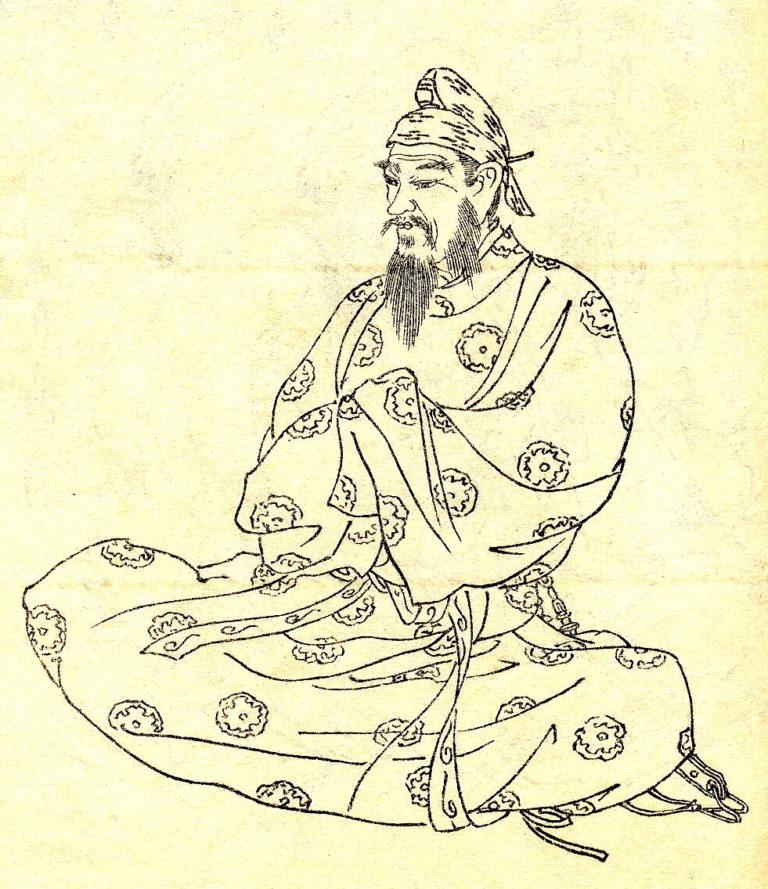 PeopleFujiwara no FuhitoFujiwara no Fuhito helped draw up the Taihō Code, rose to udaijin and began the Yōrō Code; his four sons founded the four branches of the Fujiwara Clan.
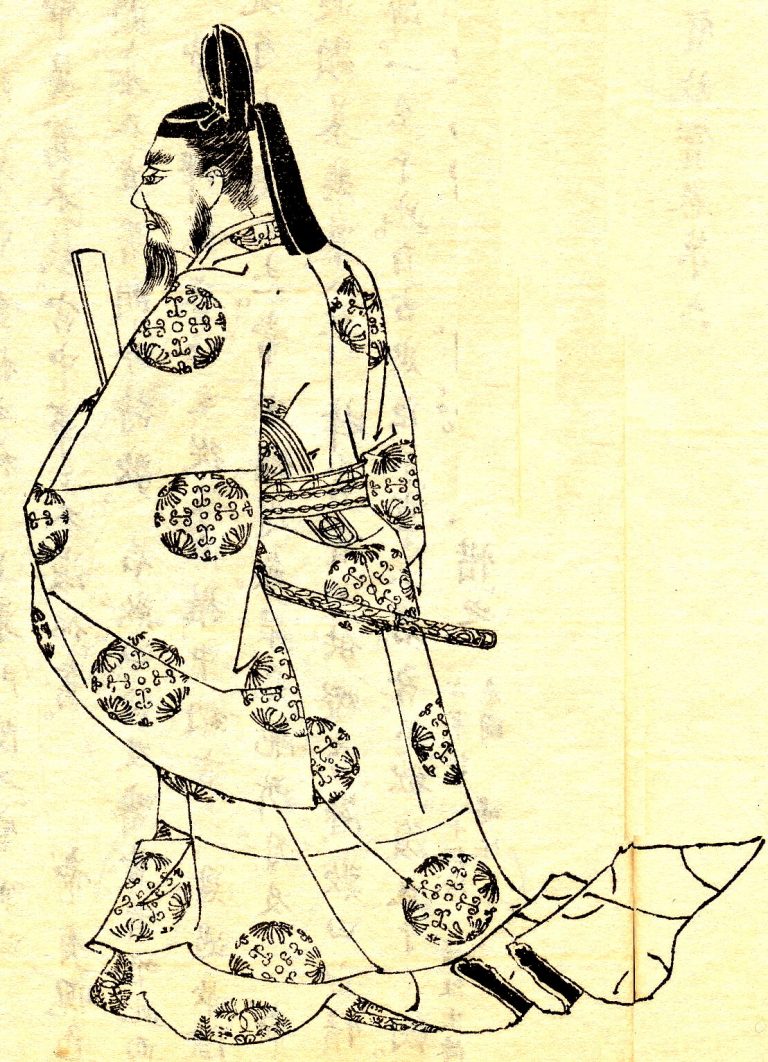 People · Regents and courtiersFujiwara no MichinagaFujiwara no Michinaga: head of the Fujiwara Clan, sesshō and dajō-daijin, whose daughters married emperors and who kept the diary Midō Kampaku-ki.