Priest Nōin (能因), known before he entered religion as Tachibana no Nagayasu (橘永愷), lived from 988 to around 1051 CE.
He entered religion at the age of 25, after graduating from the Imperial University, and began a religious life as a poet and ascetic, finally settling at Kosobe in Settsu. He is said to have visited many places with poetic associations, and he wrote a famous treatise about them, the Nōin Utamakura, in the mid-Heian period.
There are 65 of his poems in the official waka anthologies, and he is known to have had a private collection of poetry as well.
He is one of the Thirty-six Poetic Geniuses of the Late Classical Period, and one of his poems (No. 69) is in the Ogura Hyakunin Isshu:1
| Japanese text2 | Romanised Japanese1 | English translation1 |
|---|---|---|
| 嵐吹く 三室の山の もみぢ葉は 龍田の川の 錦なりけり | Arashi fuku mimuro no yama no momiji wa tatsuta no kawa no nishiki narikeri | Blown by storm winds, Mount Mimuro’s Autumn leaves have become The River Tatsuta’s Richly hued brocade. |
Table of Contents
See also
Footnotes
1. MacMillan, P. (2018) ”One Hundred Poets, One Poem Each: A Treasury of Classical Japanese Verse”. St. Ives: Penguin Classics.
2. Suzuki, H. et al. (1997) ”Genshoku: Ogura Hyakunin Isshu”. Tokyo: Bun’eidō.

Read next
 People · Regents and courtiersKujō YoshitsuneKujō Yoshitsune, regent and Chancellor, who wrote the preface to the Shin-kokinshū; poet No. 91 of the Ogura Hyakunin Isshu.
 PeopleFujiwara no MichinobuFujiwara no Michinobu, son of Tamemitsu adopted by Kaneie, was Commander of the Imperial Guard; his poem is No. 52 of the Hyakunin Isshu.
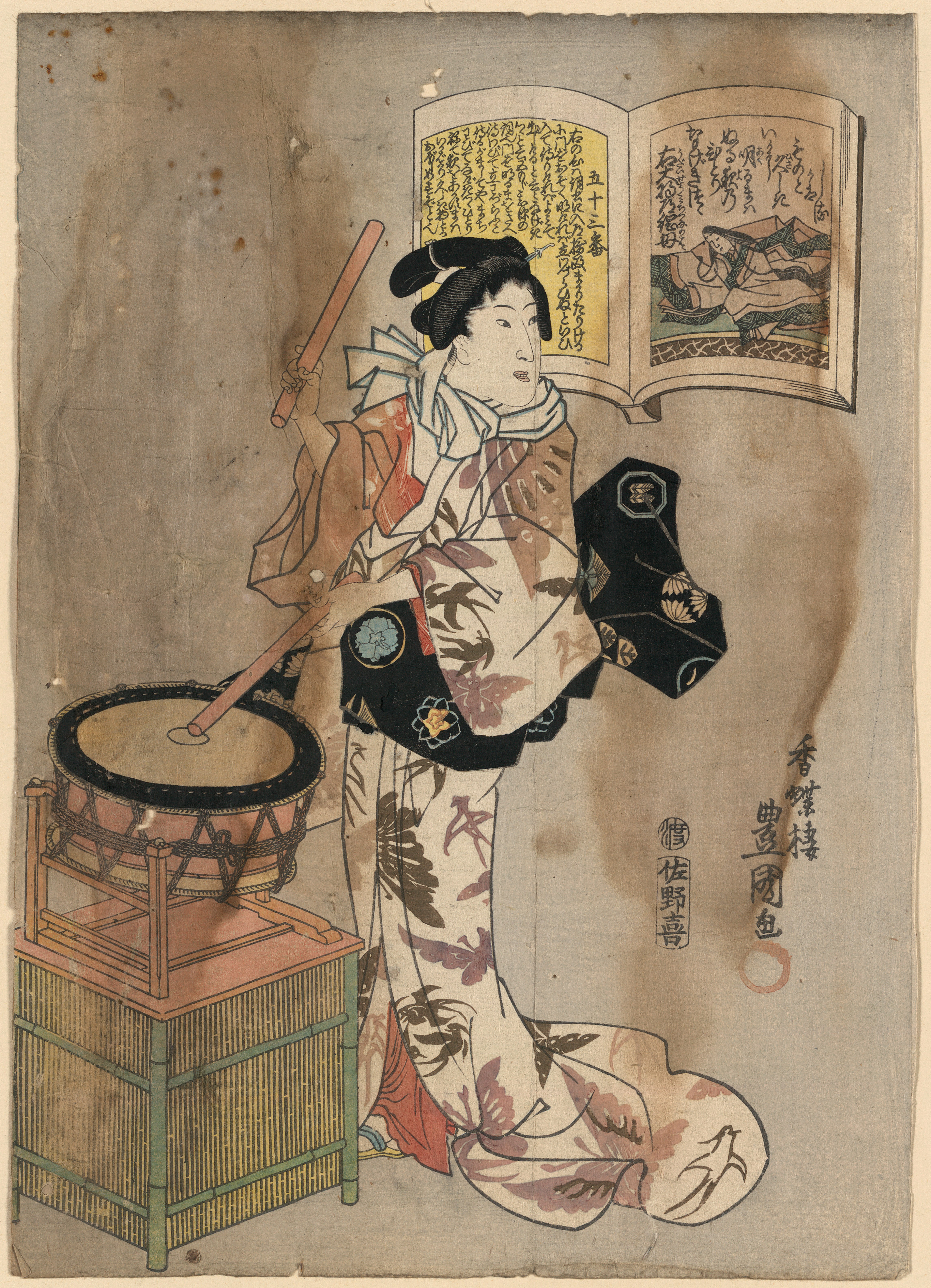 PeopleFujiwara no Michitsuna no HahaFujiwara no Michitsuna no Haha, wife of Kaneie, wrote the Kagerō nikki (The Gossamer Years); her poem is No. 53 of the Hyakunin Isshu.